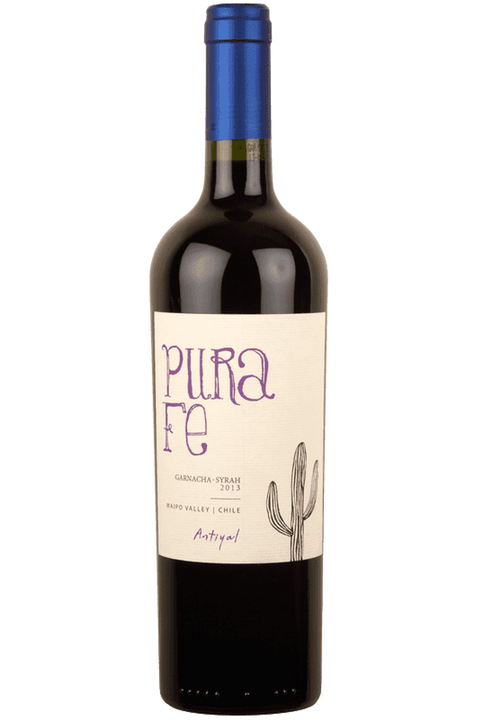
Chilean Wines: A Unique Blend of Tradition and Innovation
Chile, often referred to as the "California of South America," has quickly risen to international acclaim for its high-quality wines. With its diverse terroirs, stable climate, and long winemaking history, Chile has become one of the world’s leading wine producers. Whether you're a novice or a connoisseur, Chilean wines offer a wide range of styles that showcase both the traditional and innovative aspects of this remarkable wine country. In this article, we explore the origins, key wine regions, and notable grape varieties that make Chilean wines so unique.
A Rich History of Winemaking
Winemaking in Chile dates back to the 16th century when Spanish settlers introduced European grape varieties to the country. Early Chilean wines were largely for local consumption, but over the centuries, Chile’s wine industry began to grow, bolstered by the country’s isolation, which protected it from the phylloxera plague that devastated vineyards in Europe during the 19th century.
By the late 20th century, Chilean wines began to gain international recognition, thanks to the adoption of modern winemaking techniques and the establishment of quality standards. Today, Chile is known for producing a wide array of wines, from bold reds to crisp whites, all of which reflect the country’s unique geography and climate.
Geography and Climate: The Perfect Conditions for Wine
One of the key factors in Chile's success as a wine-producing nation is its geography. The country’s long, narrow shape is bordered by the Pacific Ocean to the west and the Andes Mountains to the east. This natural landscape creates a variety of microclimates and terroirs, from coastal regions that benefit from the cooling effects of the ocean, to the more continental regions that experience significant temperature shifts between day and night.
Chile's Mediterranean climate, characterized by dry, sunny summers and mild, wet winters, provides ideal conditions for grapevine growth. The country also enjoys a stable, drought-free environment, thanks to its natural borders. This allows for controlled vineyard irrigation, which ensures the production of high-quality fruit year after year.
Key Wine Regions of Chile
Chile boasts a number of wine regions, each offering distinct characteristics in the wines produced. The most famous wine-growing areas are located along the central and northern parts of the country, with varying climates and terroirs that give rise to different wine styles.
Central Valley
The Central Valley is the heart of Chile’s wine production, home to many of the country’s most important appellations. It is divided into several subregions, including Maipo Valley, Rapel Valley, Colchagua Valley, and Cachapoal Valley.
is renowned for producing some of Chile's best red wines, particularly Cabernet Sauvignon, which thrives in the valley’s well-drained soils and warm climate. This region is often regarded as Chile’s “Napa Valley,” thanks to its proximity to the capital, Santiago, and its reputation for producing rich, structured reds.
is known for its bold reds, particularly Carmenère, Syrah, and Malbec. This warm region produces wines that are intense, full-bodied, and often feature ripe fruit flavors, balanced tannins, and a signature smoky finish.
and Rapel Valley also produce excellent red wines, with Cabernet Sauvignon and Merlot being the standout varieties. These regions are slightly cooler than Maipo, resulting in wines with more acidity and freshness.
Casablanca Valley
Located closer to the Pacific Ocean, the Casablanca Valley is renowned for its white wines, particularly Chardonnay and Sauvignon Blanc. The valley’s cooler climate, influenced by ocean breezes, provides ideal conditions for producing crisp, aromatic whites with bright acidity. The wines from Casablanca are fresh, lively, and known for their mineral character, making them perfect for seafood and lighter dishes.
Aconcagua Valley
The Aconcagua Valley, located north of the Central Valley, is known for its excellent red wines, particularly Syrah, Cabernet Sauvignon, and Carmenère. The region is characterized by its proximity to the Andes and its ability to combine both warm and cool climate zones, which results in wines with a great balance of ripeness and freshness.
Maule Valley
The Maule Valley is one of Chile’s oldest wine-growing regions and is known for its diverse terroir and sustainable farming practices. The region is particularly recognized for its old-vine Carignan and Cinsault, as well as its Cabernet Sauvignon and Merlot. Maule’s cool, dry climate allows for slow ripening, which results in wines with great complexity and depth.
Key Grape Varieties of Chile
Chile’s winemaking success is largely due to its wide variety of grape varieties, both native and international, which thrive in the country's diverse climate and terroirs. Some of the most important grape varieties in Chile include:
Cabernet Sauvignon
One of the most widely planted red varieties in Chile, Cabernet Sauvignon Chiles especially prominent in the Maipo and Colchagua valleys. Chilean Cabernet Sauvignon is known for its rich, bold flavors of blackcurrant, plum, and bell pepper, with firm tannins and a long finish. These wines can age beautifully, developing complex secondary notes of leather, tobacco, and spice.
Carmenère
Once thought to be a type of Merlot, Carmenère is now regarded as Chile’s flagship red grape. With its roots in Bordeaux, Carmenère was revived in Chile in the 1990s and has become one of the country’s most distinctive wines. The variety offers deep, dark fruit flavors, along with earthy and herbal notes, and often has a smooth, velvety texture with soft tannins.
Sauvignon Blanc
Chile’s cool coastal regions, particularly the Casablanca Valley, are perfect for growing Sauvignon Blanc. This grape produces aromatic wines with zesty acidity, fresh citrus, and green apple flavors, often with grassy, herbal undertones. Chilean Sauvignon Blanc is particularly well-known for its minerality, making it a perfect companion for seafood and salads.
Chardonnay
Chardonnay in Chile can range from crisp and refreshing to rich and full-bodied. The cooler regions, such as Casablanca and Limarí valleys, produce fresh, vibrant wines with bright acidity and citrusy flavors, while the warmer inland regions produce fuller-bodied, oak-aged wines with tropical fruit and buttery characteristics.
Syrah
Syrah has gained significant traction in Chile, particularly in regions like the Aconcagua and Colchagua valleys. Chilean Syrah is known for its intense flavors of dark fruit, black pepper, and spice, often with a smoky, savory finish. It is a versatile grape that can produce wines with both power and elegance.
Sustainability and Innovation in Chilean Winemaking
Chile is increasingly recognized for its commitment to sustainability and environmental responsibility in winemaking. Many Chilean wineries have adopted organic and biodynamic practices, with a focus on water conservation, soil health, and reducing their carbon footprint. The country's isolation, combined with a strong focus on quality, has led to an innovative winemaking culture, with producers embracing new techniques and cutting-edge technology to produce wines that showcase the best of the country's terroir.
In addition, Chile’s reputation for affordable wines that don’t compromise on quality has made it an attractive option for wine lovers around the world. From entry-level wines to premium offerings, Chile consistently delivers wines with great value.
Food Pairing with Chilean Wines
Chilean wines are known for their food-friendly qualities, offering great versatility across a wide range of dishes. Here are some pairing suggestions:
Cabernet Sauvignon pairs beautifully with grilled steaks, roasted lamb, and hard cheeses like cheddar and aged Gouda.
Carmenère works well with barbecued meats, spicy sausages, and hearty stews.
Sauvignon Blanc is the perfect match for seafood, especially oysters, crab, and ceviche.
Chardonnay complements creamy pasta dishes, roasted chicken, and seafood risotto.
Syrah pairs wonderfully with grilled meats, ribs, and dishes with smoky flavors, such as barbecued meats.
Conclusion
Chilean wines offer an exciting journey for wine enthusiasts, blending rich history, innovative winemaking, and a diverse range of terroirs. From the bold reds of the Central Valley to the fresh whites of the coastal regions, Chile has something to offer every palate. With its commitment to sustainability and continued focus on quality, Chile is poised to remain a key player in the global wine market for years to come.