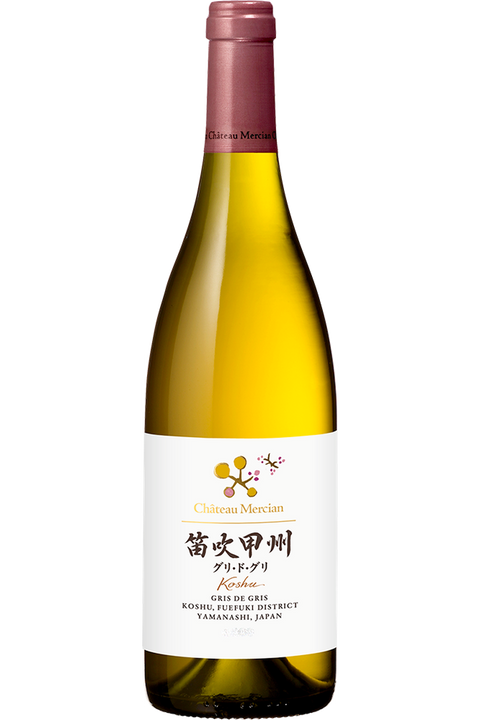
Japan has earned global respect for its craftsmanship, and this philosophy is clearly reflected in its wine production. While still relatively small in volume, Japanese wine focuses on precision, balance and subtle expression, placing harmony ahead of power or intensity. These wines are carefully made, often with a strong connection to food, seasonality and place.
Japanese wines appeal to drinkers who value refinement and clarity rather than bold or heavily extracted styles. They offer a quietly distinctive alternative to more familiar wine producing countries.
Koshu and native grape varieties
Koshu is Japan’s most important and recognisable grape variety. It has been cultivated for centuries and is particularly well suited to Japan’s climate. Koshu wines are typically pale in colour, delicately aromatic and finely structured, with flavours that lean towards citrus, stone fruit and subtle floral notes.
Oak is sometimes used, but always with restraint. The aim is to add texture and complexity without masking the grape’s natural freshness and purity. The result is a wine style that feels elegant, calm and beautifully balanced.
Style and structure
Japanese wines tend to favour lower alcohol levels, bright acidity and a clean finish. Texture plays an important role, with many wines offering a gentle roundness that sits comfortably alongside food. Rather than bold fruit or heavy oak, these wines express nuance, minerality and subtle depth.
This restrained approach reflects broader Japanese culinary and cultural values, where balance and harmony are central.
Food friendly character
One of the defining qualities of Japanese wine is its versatility at the table. Koshu in particular pairs naturally with lighter dishes, seafood and dishes where subtle flavours need space to shine. The wines rarely dominate, instead enhancing the overall dining experience.
This food focused approach makes Japanese wines especially appealing for those who enjoy pairing wine thoughtfully rather than drinking it in isolation.
Growing reputation
Although Japanese wine production remains limited, international recognition continues to grow. Improvements in vineyard management, winemaking techniques and a clearer expression of regional identity have helped raise quality and consistency. As more drinkers discover these wines, Japan’s reputation as a serious wine producing country continues to strengthen.
FAQs
What makes Japanese wines different?
Japanese wines focus on balance, subtlety and precision rather than power, offering elegant and refined drinking styles.
What is Koshu wine like?
Koshu produces dry, delicate white wines with gentle fruit, fresh acidity and a clean, food friendly finish.
Are Japanese wines heavily oaked?
No, oak is used sparingly and carefully to add texture without overwhelming the wine’s natural character.
Are Japanese wines good with food?
Yes, they are particularly food friendly and pair well with seafood, lighter dishes and refined flavours.