What is Cognac
Cognac is a type of brandy made under strict legal rules within the Cognac region of France. Only brandy produced here can legally be called Cognac. It is made primarily from Ugni Blanc grapes, valued for their acidity and ability to age gracefully through distillation and barrel maturation.
Distillation and ageing
Cognac must be distilled twice in traditional copper pot stills. After distillation, it is aged for a minimum of two years in French oak barrels, typically from Limousin or Tronçais forests. Most Cognacs spend significantly longer ageing, developing complexity, softness and layered flavour.
Cognac ageing terms
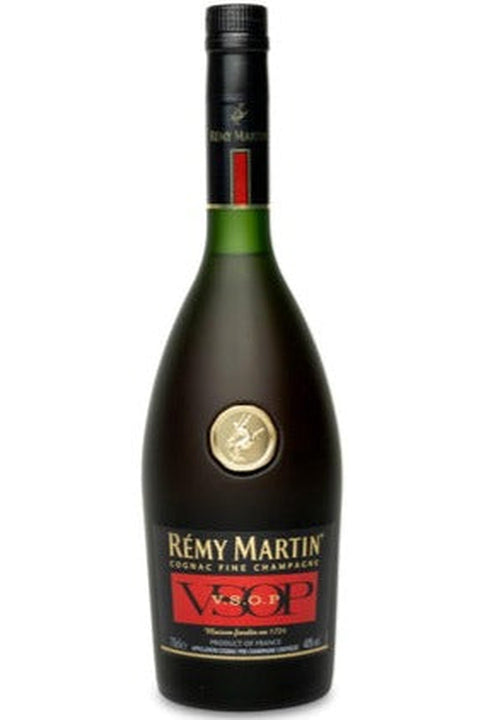
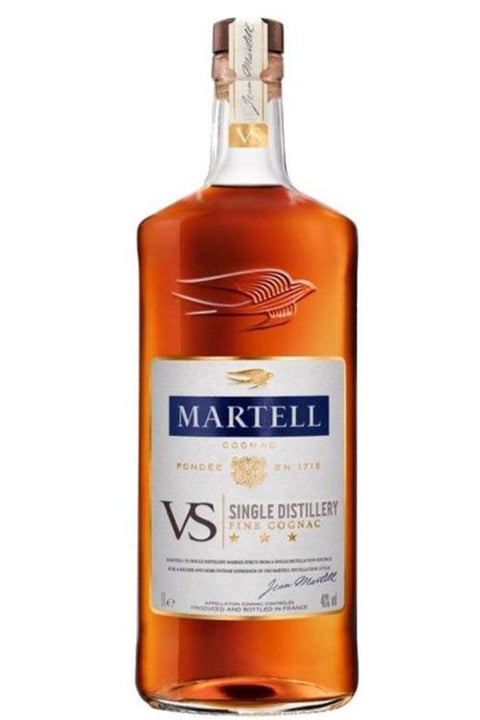
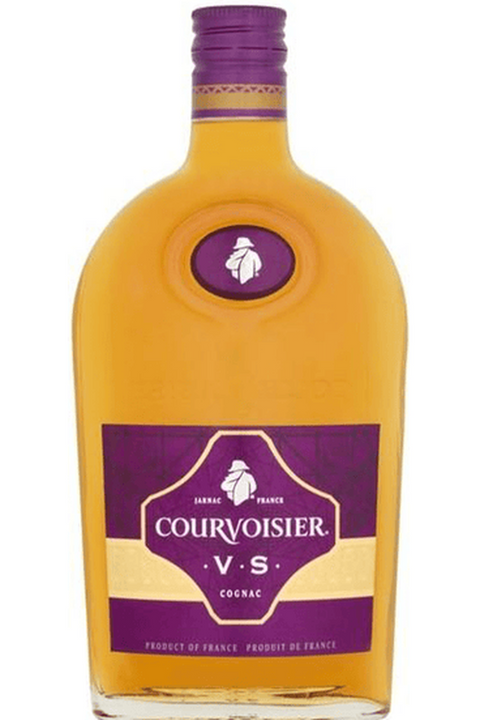
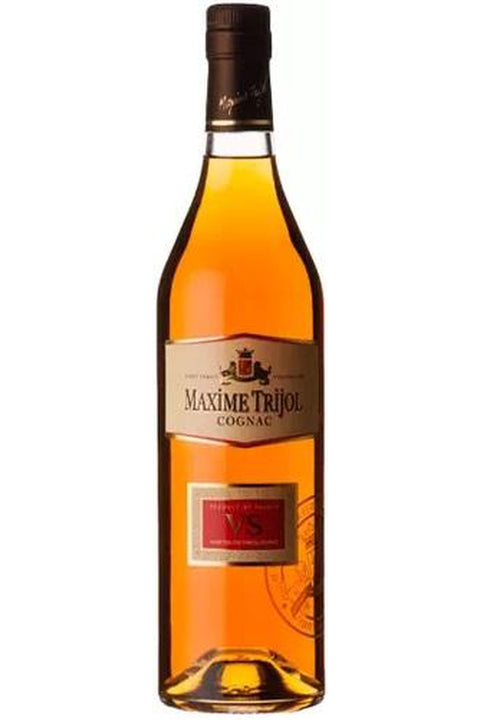
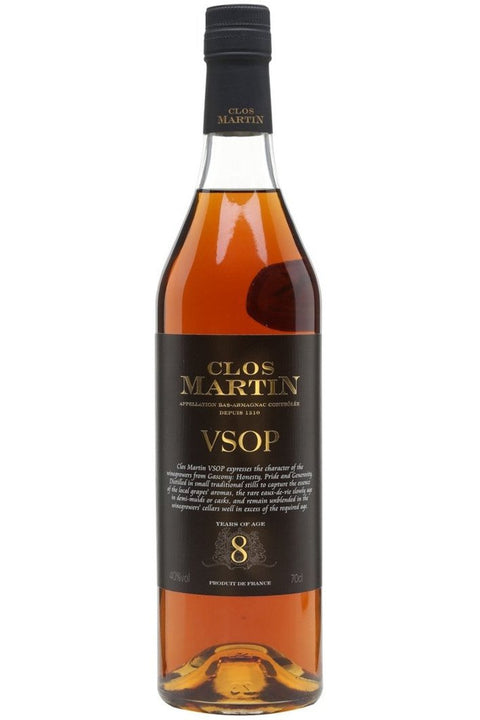
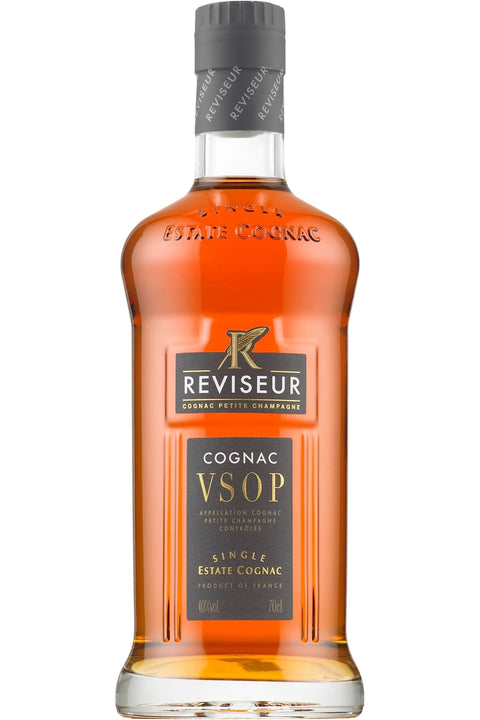
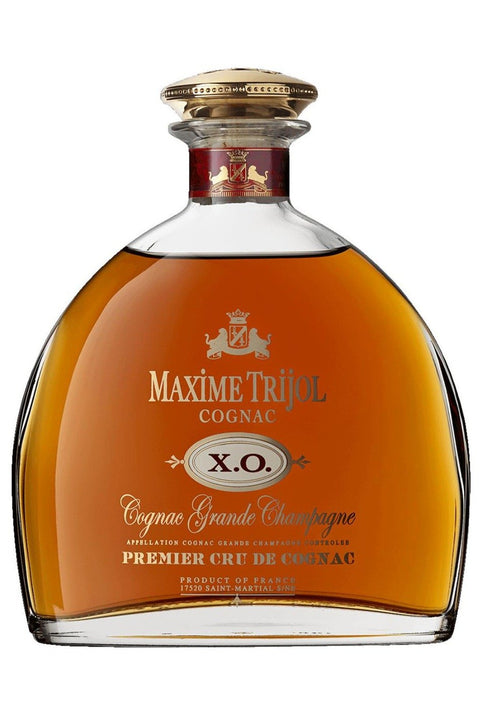
Cognac labels often indicate minimum ageing. VS reflects a younger, fresher style. VSOP offers more maturity and balance. XO represents long aged Cognac with deep richness, spice and integration. These terms help guide drinkers toward a style that suits their preference.
Flavour profile and character
Younger Cognacs tend to show fresh fruit, floral notes and light spice. As ageing increases, flavours deepen into dried fruit, vanilla, caramel, nut, leather and gentle oak. Texture becomes smoother and more rounded, with a longer and more complex finish.
How to enjoy Cognac
Cognac is traditionally enjoyed neat in a tulip shaped glass to concentrate aromas. A small drop of water can help open up older styles. It also plays a role in classic cocktails and pairs naturally with chocolate, cheese or after dinner sipping.
Cognac FAQs
What makes Cognac different from other brandy?
Cognac must be produced in a specific region of France and follow strict distillation and ageing rules.
What grapes are used to make Cognac?
Ugni Blanc is the primary grape, chosen for its high acidity and suitability for distillation.
Does Cognac improve with age?
Ageing adds complexity and smoothness, though balance and quality depend on careful maturation.
Should Cognac be served warm?
It is best enjoyed at room temperature rather than heated, allowing aromas to develop naturally.