107 products
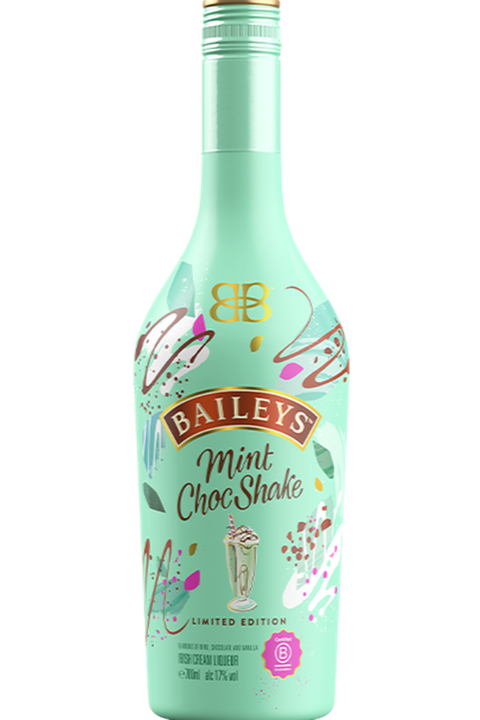
Baileys Mint Choc Shake
A delicious twist to a classic dessert.The flavours of mint and a hint of chocolate blended with our Irish Cream for a sweet treat
£21.95
Ireland | Minty | 17%
Sold Out

Bols Creme de Cassis
A Creme de Cassis liqueur from Bols in the Netherlands, made with real blackcurrants grown in Dijon, France.
£12.95
Netherlands | 17%
Sold Out
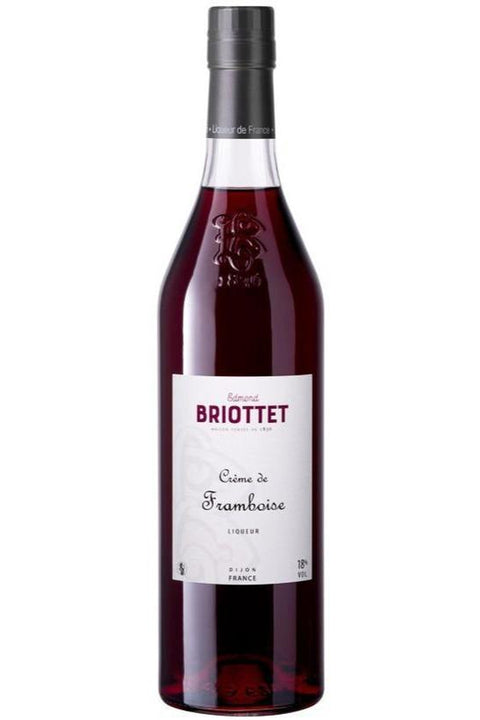
Briottet Crème de Framboise
Made by macerating raspberries. The raspberries are soaked in a water-alcohol solution for a minimum period of two months.
£25.95
Dijon, France | 18%

Pataka Fairtrade Ginger Liqueur
Striking the perfect balance between fiery and sweet, Pataka Ginger Liqueur is made using Fairtrade ginger root.
£24.95
France | 35%
Sold Out



Twin Fin Rum Cold Brew Coffee Rum Liqueur
Intense and dark, on the nose freshly roasted coffee beans, luscious cocoa and sweet vanilla.
£29.95
Cornwall, England | Coffee | 25%
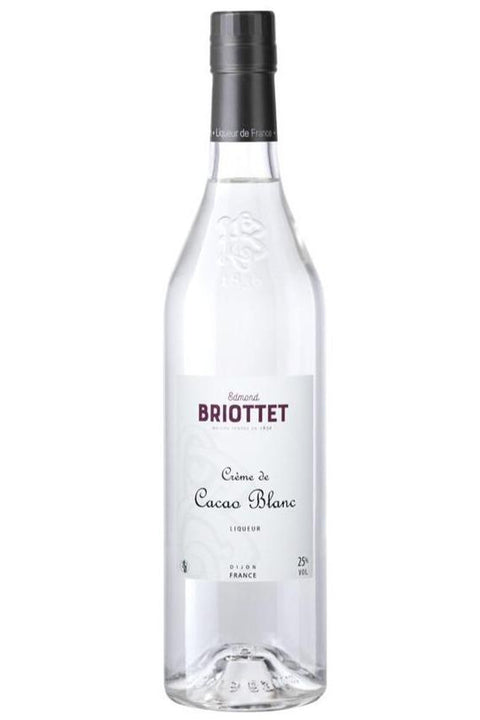
Briottet Creme de Cacao Blanc
Whole roasted cocoa beans which are macerated and then distilled. For use in cocktails such as a Brandy Alexander.
£28.95
£35.95
Dijon, France | Sweet | 25%
Save £7.00

Santa's Spirits - Christmas Liqueur Gift Pack
Cute Christmas Gift pack featuring 3 gin liqueurs; Cupid's Chocolate Orange, Blitzen's Blue and Comet's Cherry.
£14.95
£19.95
Gower, Wales | Flavoured | 20%
Save £5.00
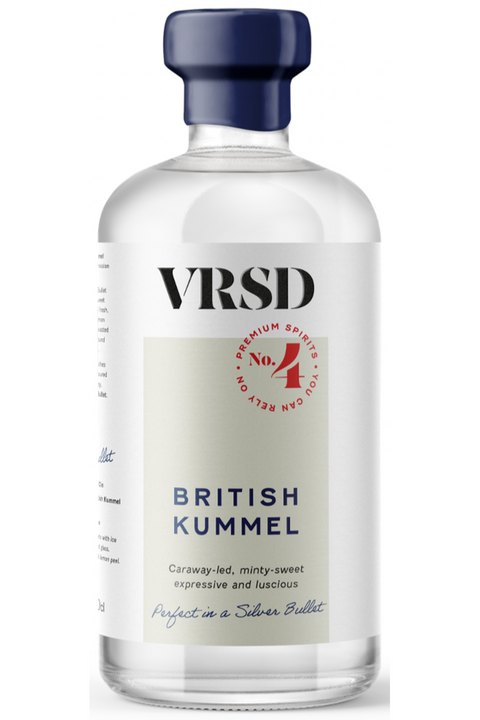
No.4 British Kummel
clean, precise and not overly sweet. Caraway is joined by subtleties of rose, peppermint, lemon, coriander, cumin & fennel seeds.
£29.95
England | 36%
Sold Out


Nonna Assunta's Sloeberry 50cl
Locally made Lemon flavoured liqueur using Nonna Assunta's legendary recipe.
£34.95
Swansea, Wales | 28%
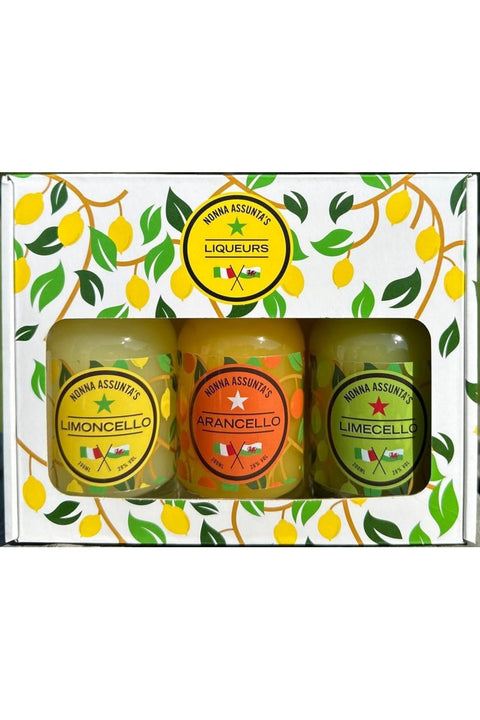
Nonna Assunta's 'Cello Trio 20cl
Locally made flavoured liqueurs using Nonna Assunta's legendary recipe. Beautifully presented in a gift box showcasing one of each
£49.95
Swansea, Wales | 28%
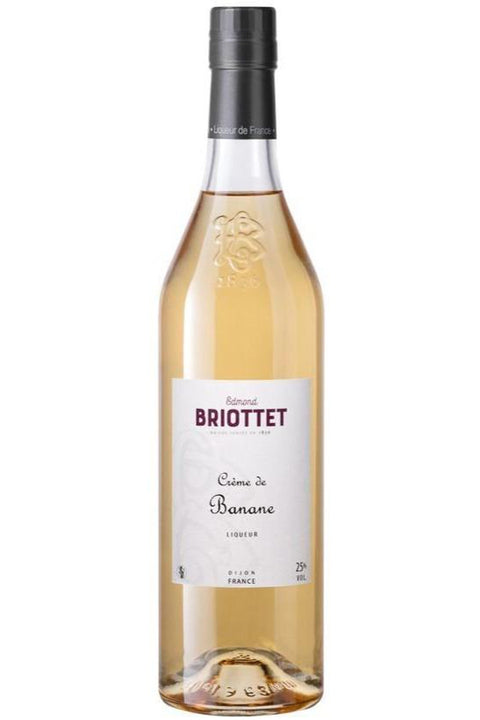
Briottet Creme de Banane
Made using banana juice, this Banana Liqueur brings out all the aromatic powers of this fruit from the Caribbean.
£28.95
£32.95
Dijon, France | Fruity | 25%
Save £4.00

Briottet Crème de Noisette
Appreciated for its energy-giving properties, hazelnuts are also high in magnesium and in fibre.
£28.95
Dijon, France | 25%

Luxardo Kirsch de Cuisine
A type of cherry liqueur made with distilled cherries. It is clear in colour and has a strong, characteristic flavour.
£19.95
Padov, Italy | 25%

Twin Fin Cream Liqueur
Epic combination of real, fresh double cream blended with the finest Jamaican pot still light Dominican Republic column-stil
£24.95
£32.95
Cornwall, England | Cream Liqueur | 17%
Save £8.00

Tinner Bros Whisky Company - Black Spiced Whisky Liqueur
A delicious infusion of the finest black whisky with bourbon vanilla and spiced honey notes.
£29.95
£34.95
Cornwall, England | 22%
Save £5.00
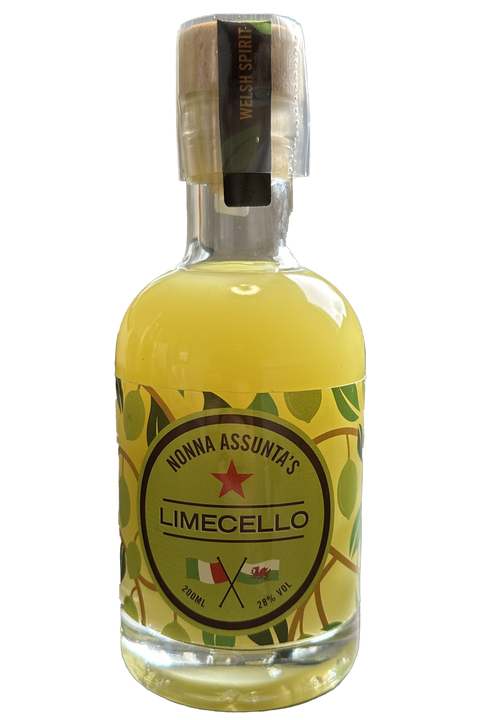
Nonna Assunta's Limecello 20cl
Locally made Lime flavoured liqueur using Nonna Assunta's legendary recipe.
£17.95
Swansea, Wales | 28%

Bols Creme de Cacao Brown Liqueur
The finest cacao beans and carefully selected herbs, giving an intense, rich flavour of dark chocolate, orange and vanilla.
£16.95
Netherlands | 24%
Sold Out

Tinner Bros Whisky Company - Blood Orange Whisky Liqueur
Smooth bourbon whisky and corrupted with the intense citrus punch of blood oranges.
£29.95
£34.95
Cornwall, England | 22%
Save £5.00

Tinner Bros Whisky Company - Wild Cherry Whisky Liqueur
The finest whisky deliciously blended with juicy, rich black cherry notes at our Cornish distillery.
£29.95
£34.95
Cornwall, England | 40%
Save £5.00

Mandarine Napolean Liqueur 5cl
Imagine the wonderfully smooth and delectable blend of French cognac and Mandarin oranges.
£4.95
Belgium | Orange | 38%

Briottet Crème de Myrtille
A scrumptious blueberry liqueur from Dijon-based producer Edmond Briottet. This has a fantastic fresh flavour.
£23.95
Dijon, France | 18%

Sold Out
Save £4.00

Isolabella Limoncello
A distinctly full flavour and a dazzling intense colour. This liqueur is characterized as a fresh, accessible limoncello.
£22.95
£26.95
Sicily, Italy | 30%
Sold Out
Save £4.00

Pama Pomegranate Liqueur
Californian pomegranates, picked at their peak of ripeness for a complex, sweet yet tart taste and vibrant ruby colour.r.
£23.99
France | 17%
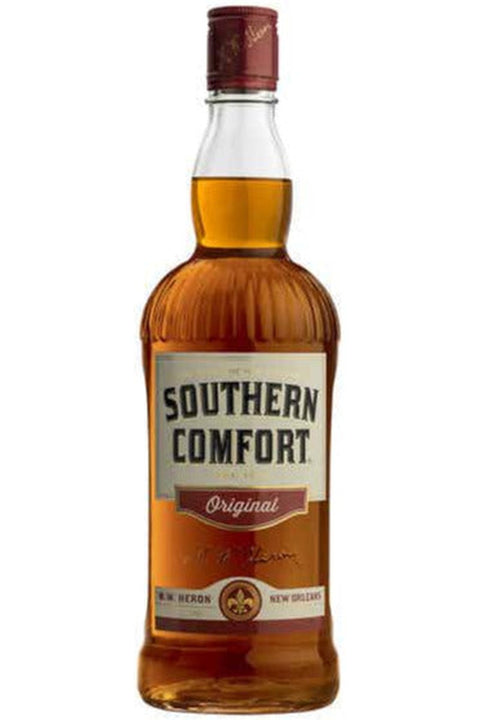
Southern Comfort Original P/M £21.99
The tastes of stone fruits and spices combine for a blended whiskey that is smooth and easygoing with a balance of sweet & spice.
£21.99
New Orleans, USA | Whisky Liqueur | 35%

Chambord 20cl Gift Box
Chambord is a premium black raspberry liqueur carefully made in the Loire Valley, the heart of France.
£12.95
Loire, France | 16.5%

Tinner Bros Whisky Company - Toffee Nut Whisky Liqueur
The finest bourbon whisky with roasted & caramelised hazelnuts, rebelliously blended on the Wild Cornish Coast.
£29.95
£34.95
Cornwall, England | 22%
Save £5.00

Dooleys Toffee Cream Liqueur
Delicious Dooley's Toffee Vodka liqueur is created using fresh dairy cream infused with toffee,caramel and hints of milk chocolate
£16.95
£19.95
Germany | 17%
Save £3.00

Luxardo Passione Nera
Luxardo's Passione Nera, their anise and liquorice flavoured liqueur, spicy and rich.
£19.95
Italy | 38%
Sold Out

Briottet Crème de Melon
Obtained by macerating melons in a mix of water and alcohol for more than two months.
£27.95
France | Fruity | 16%
Sold Out

Sarti Rosa 70cl
The new fruity Italian aperitif with notes of blood orange, mango and passion fruit.
£19.95
£22.95
Italy | Bittersweet | 14%
Save £3.00

The Norfolk Nog
Made with our English Single Malt Whisky and lashings of cream, The Norfolk Nog is delicately flavoured, yet decadently rich.
£27.95
£31.95
England | Sweet | 19%
Save £4.00

The Norfolk PX
A rich syrupy mouthfeel delivers another hit of dried fruits and liquorice sweets, along with creamy vanilla and roasted coffee.
£29.95
£33.95
England | Sweet | 20%
Save £4.00

Xante Pear Liqueur 3cl
Natural pear essence lends its unique flavor, with a commitment to using only high-quality, all-natural ingredients.
£2.75
Belgium | 17%
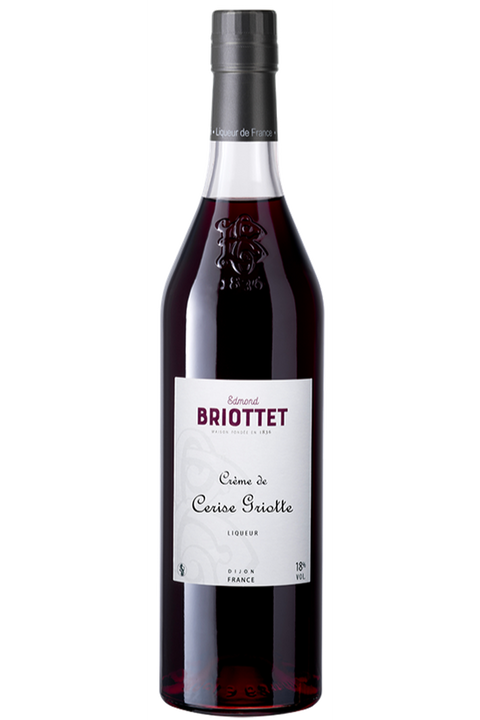
Briottet Creme de Cerise Griotte
For Crème de Griotte Briottet, we macerate cherries in a water-alcohol mix for more than two months.
£22.95
£24.95
Dijon, France | 18%
Save £2.00

Luxardo Maraschino Originale
Crystal clear in colour, the aroma is typical of marasca cherry distillate with strong alcohol spirit and roasted nuttiness.
£23.95
Padova, Italy | 32%
Sold Out

Nonna Assunta's Negroni
a Negroni that’s vibrant where others are flat, smooth where others are sharp, and unmistakably Italian in every sip.
£36.95
£42.95
Swansea, Wales | 26.4%
Save £6.00
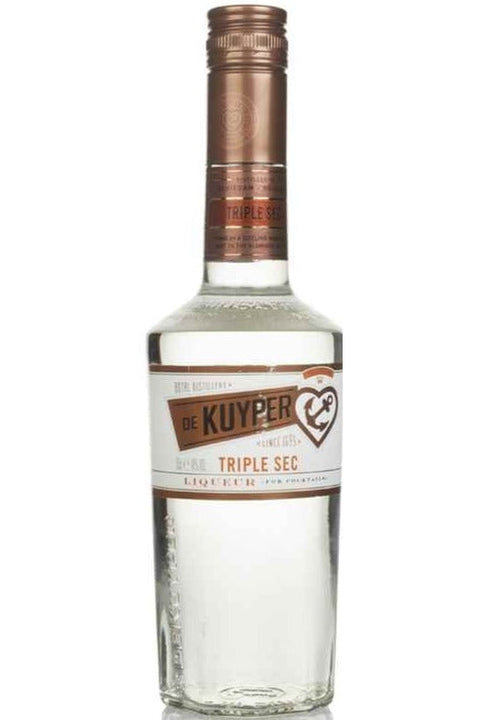
De Kuyper Triple Sec 70cl
Vital ingredient in many cocktails. From Sidecars to Margaritas, all sorts call out for the intense citrus of Triple Sec.
£31.95
Netherlands | Orange | 40%

Briottet Liqueur d'Ananas
Made from pineapple juice, picked at maturity, from a blend of several varieties that gives this completely natural golden colour.
£18.95
Dijon, France | Fruity | 18%
Sold Out
Liqueurs
Cheers to Your Wine Journey!