Marsanne is a classic Rhône white grape valued for its structure, texture and ageing potential. While rarely bottled on its own, it plays a key role in some of the most respected white wines from the Rhône and beyond.
Origins of Marsanne
Marsanne originates in the northern Rhône Valley, particularly in appellations such as Hermitage and Crozes Hermitage. Here it thrives in warm conditions, producing grapes that deliver body and alcohol rather than piercing acidity.
Marsanne wine style
Marsanne wines are typically dry and full bodied, with a broad mouthfeel and gently rounded texture. They often develop complexity with age, gaining nutty and honeyed notes over time.
Typical flavour profile
Marsanne commonly shows flavours of pear, apple, almond, beeswax and subtle floral notes. With age, aromas can evolve towards hazelnut, toast and dried fruit, giving the wines added depth and savoury character.
Marsanne and blending
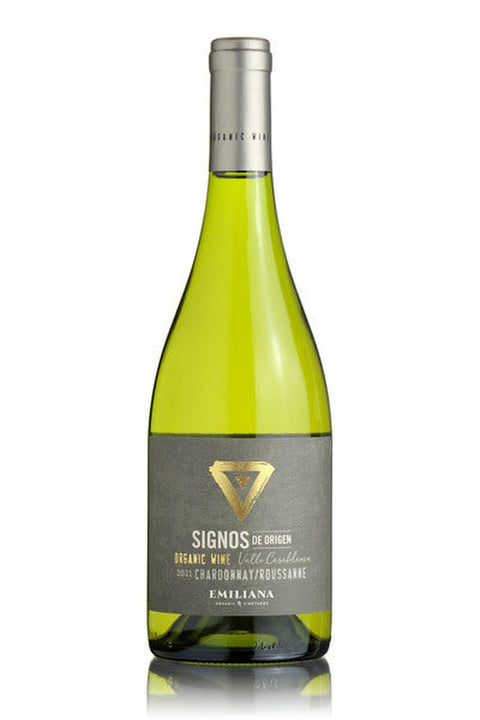
Marsanne is most often blended with Roussanne, which adds aromatic lift and freshness. Together, they create balanced wines that combine richness with elegance. This pairing is a hallmark of white Rhône blends.
Marsanne outside the Rhône
Beyond the Rhône Valley, Marsanne has found success in southern France and parts of the New World, where warmer climates allow it to fully ripen. These wines often emphasise texture and ripe fruit while maintaining balance.
When to choose Marsanne
Marsanne is ideal for drinkers who enjoy fuller white wines with weight and complexity rather than sharp, citrus driven styles. It works particularly well when you want a white wine with presence and a long finish.
FAQs
What kind of wine is Marsanne?
Marsanne is a dry white wine grape known for producing full bodied, textured wines.
Is Marsanne usually blended?
Yes, it is most commonly blended with Roussanne, especially in Rhône Valley wines.
What does Marsanne taste like?
Typical flavours include pear, apple, almond, beeswax and subtle floral notes.
Is Marsanne high in acidity?
No, Marsanne generally has moderate to low acidity, giving a softer mouthfeel.
Does Marsanne age well?
Yes, Marsanne can develop complexity over time, gaining nutty and honeyed characteristics.