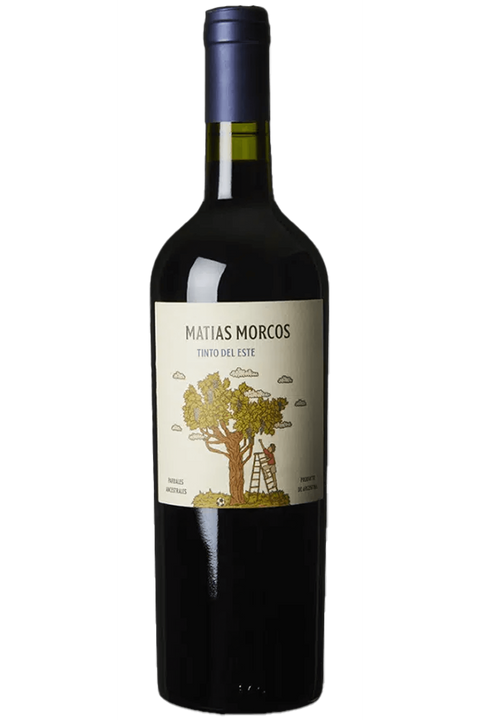
Bonarda is a key grape variety in Argentina, second only to Malbec in terms of plantings. Introduced in the late nineteenth century, it has become particularly well suited to the warm, dry conditions of Mendoza. While once used mainly for everyday wines, modern winemaking has revealed Bonarda’s ability to produce expressive, high quality reds.
Bonarda in Argentina
Bonarda thrives in Mendoza’s continental climate, where warm days encourage ripe fruit flavours and cool nights help retain freshness. The grape adapts well to a range of vineyard sites, producing wines that are generous yet balanced. Although it shares a name with Italian Bonarda, the Argentine version is genetically different and has its own distinctive style.
Flavour profile and style
Bonarda wines are typically medium bodied with soft tannins and bright acidity. Aromas often include plum, raspberry and blueberry, alongside subtle floral notes. On the palate, Bonarda is juicy and approachable, with ripe red and dark fruit flavours and a smooth, rounded texture. Oak is used sparingly, allowing the fruit character to remain front and centre.
Modern winemaking approaches
Many producers now focus on lower yields, careful extraction and minimal oak influence to highlight Bonarda’s natural freshness. The grape is also commonly blended with Malbec, where it adds juiciness and lift. Single varietal expressions are becoming increasingly popular, showing Bonarda’s versatility and charm.
Food pairing with Bonarda
Bonarda’s soft structure and vibrant fruit make it highly food friendly. It pairs well with grilled meats, sausages and burgers, as well as tomato based pasta dishes and roasted vegetables. Its freshness also suits lightly spiced foods and casual meals, making it an easy choice for everyday drinking.
Why choose Bonarda wines
Bonarda offers an appealing alternative to more familiar Argentine reds. It combines ripe fruit, freshness and approachability with excellent value for money. For drinkers looking to explore beyond Malbec while staying within a familiar style, Bonarda is a rewarding and accessible option.
FAQs
What does Bonarda wine taste like?
Bonarda typically shows juicy red and dark fruit flavours such as plum and raspberry, with soft tannins and bright acidity.
Is Bonarda similar to Malbec?
Bonarda is generally lighter and juicier than Malbec, with softer tannins and a fresher overall profile.
Is Argentine Bonarda the same as Italian Bonarda?
No. Argentine Bonarda is a different grape variety and should not be confused with Italian Bonarda.
Is Bonarda good for everyday drinking?
Yes. Its approachable style and food friendly nature make it ideal for regular enjoyment.