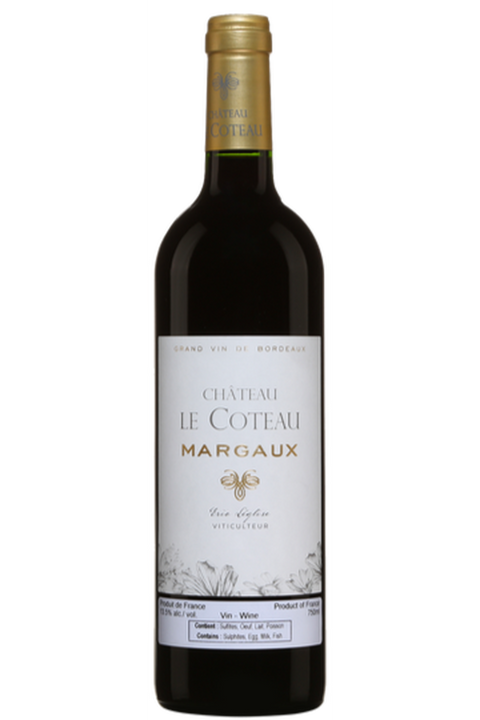
Margaux is one of the most prestigious appellations in Bordeaux and is widely regarded as the most elegant of the Left Bank regions. Located in the southern Médoc, Margaux produces wines that emphasise perfume, balance and texture rather than sheer power. These are wines prized for their finesse and harmony.
The area benefits from deep gravel soils, which provide excellent drainage and encourage deep root systems. This terroir suits Cabernet Sauvignon particularly well, allowing grapes to ripen fully while retaining freshness and aromatic lift.
Cabernet Sauvignon and blending
Margaux wines are typically dominated by Cabernet Sauvignon, supported by Merlot and small amounts of Cabernet Franc and Petit Verdot. Cabernet Sauvignon brings structure, dark fruit and ageing potential, while Merlot adds softness and roundness. The result is a wine that feels composed and polished from an early stage.
Flavour profiles often include redcurrant, blackcurrant and blackberry, layered with violet, cedar, graphite and gentle spice. Oak ageing is generally refined, contributing subtle structure and complexity rather than overt sweetness.
Style and character of Margaux
What sets Margaux apart is its aromatic intensity and fine tannin structure. The wines are often described as silky or velvety, with a long, graceful finish. Even when young, Margaux tends to show balance and clarity, while with age it develops savoury, floral and earthy nuances.
Compared to other Médoc appellations, Margaux prioritises elegance over power, making it particularly appealing to those who value refinement.
Ageing potential and drinking window
Margaux wines are capable of ageing beautifully, especially at the higher quality levels. Over time, tannins soften and flavours evolve from fresh fruit to more complex notes of tobacco, leather and forest floor. While top examples reward patience, many wines are approachable earlier when given time to breathe.
Decanting younger bottles can help open aromatics and soften structure.
Food pairing with Margaux
Margaux pairs well with dishes that reflect its elegance. Roast lamb, beef, duck and classic French cuisine complement the wine’s balance and aromatic complexity. It also works well with mushroom based dishes and refined sauces that echo its savoury depth.
Serve at cellar temperature to preserve freshness and finesse.
Why Margaux remains iconic
Margaux represents the graceful side of Bordeaux. It offers wines that are expressive yet restrained, complex yet harmonious. For those seeking Left Bank Bordeaux with perfume, polish and poise, Margaux remains a benchmark appellation.
FAQs
What grapes are used in Margaux wines?
Margaux wines are Cabernet Sauvignon led, usually blended with Merlot and smaller amounts of other Bordeaux varieties.
Is Margaux lighter than other Bordeaux wines?
Margaux is generally more elegant and aromatic, though it still offers structure and ageing potential.
Do Margaux wines need ageing?
Many benefit from ageing, but good examples can also be enjoyed earlier with decanting.
How should Margaux be served?
Serve at cellar temperature and consider decanting younger wines to enhance aromatics.