What is Moscatel?
Moscatel is the Portuguese name for wines made from the Muscat family of grapes, one of the oldest and most aromatic grape varieties in the world. These grapes are prized for their intense floral aromas and naturally high sugar levels, which make them ideal for producing sweet and fortified wines. While Moscatel is grown in many countries, Portugal has built a strong reputation for distinctive, high quality expressions.
Flavour profile and style
Moscatel wines are instantly recognisable thanks to their aromatic intensity. Typical flavours include orange blossom, rose petals, honey, ripe grapes, citrus peel and stone fruit. Sweetness is usually balanced by freshness or gentle bitterness, preventing the wines from feeling heavy. Lighter styles can feel vibrant and refreshing, while fortified versions offer richer textures and deeper flavours such as caramel, dried fruit and spice.
Moscatel de Setúbal
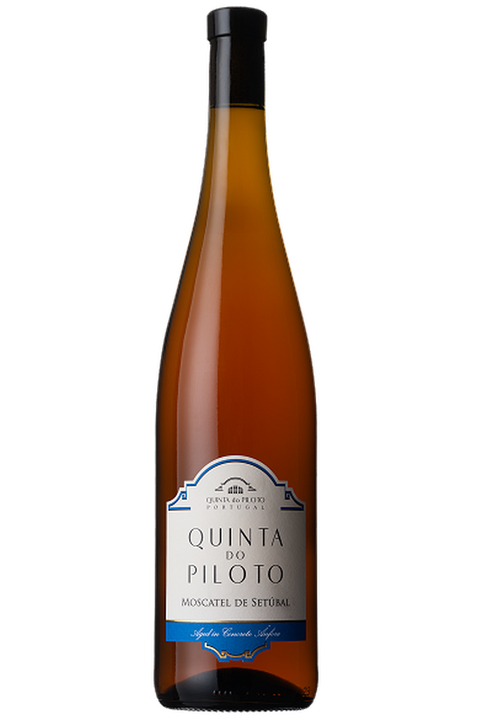
One of the most famous styles is Moscatel de Setúbal, produced just south of Lisbon. These wines are often fortified and aged, developing layers of complexity over time. Alongside the grape’s natural floral character, ageing can bring notes of nuts, marmalade and warm spice. Setúbal Moscatel is widely regarded as one of Portugal’s great sweet wine styles and offers excellent value compared to many other fortified wines.
How Moscatel wines are made
Moscatel wines can be made in several ways depending on the desired style. Some are fermented fully or partially to retain natural sweetness, while others are fortified with grape spirit to stop fermentation and preserve sugar. Ageing may take place in oak, stainless steel or alternative vessels such as concrete, each influencing texture and flavour. The grape’s aromatic nature always remains central to the finished wine.
When to drink Moscatel
Moscatel wines are incredibly versatile. Lighter styles are well suited to chilled aperitifs or casual sipping, while richer examples shine alongside desserts or after dinner. Fortified Moscatel can also be enjoyed slowly on its own, much like Port or Madeira, making it a comforting and indulgent choice.
Food pairing with Moscatel
Sweet Moscatel wines pair beautifully with fruit based desserts, pastries and almond dishes. They also work well with blue cheese, strong hard cheeses and even certain savoury dishes that benefit from a touch of sweetness. Orange, honey and nut flavours in food often echo the wine’s natural profile.
Why choose Moscatel?
If you enjoy aromatic wines with personality and warmth, Moscatel is an excellent choice. It offers expressive flavour, historical depth and a wide range of styles to explore. From fresh modern expressions to traditional fortified wines, Moscatel delivers charm, balance and a sense of place in every glass.
FAQs
Is Moscatel always a sweet wine?
Most Moscatel wines are sweet or off dry, although sweetness levels can vary depending on how the wine is made.
What is Moscatel de Setúbal?
It is a fortified Moscatel wine from Portugal, known for its floral aromas, richness and ageing potential.
Should Moscatel be served chilled?
Yes. Lighter styles are best served well chilled, while richer fortified styles benefit from slight chilling rather than being served warm.
Can Moscatel age well?
Fortified Moscatel wines can age very well, developing complex flavours over time, while fresher styles are usually best enjoyed young.