157 products

Torabhaig - Sound of Sleat Batch Strength
Notes of roasted chestnuts, dark chocolate, orange zest, and a touch of earthy peat.
£79.95
£93.95
Island, Scotland | Single Malt | 60.2%
Save £14.00

Stauning Single Rye Douro Dreams
Freshly-baked rye bread, wine gums and hint of pepper on the nose. Gentle, dried fruit, ripe cherry and peppery oak on the palate.
£73.95
£83.95
West Coast, Denmark | Single Malt | 41%
Save £10.00
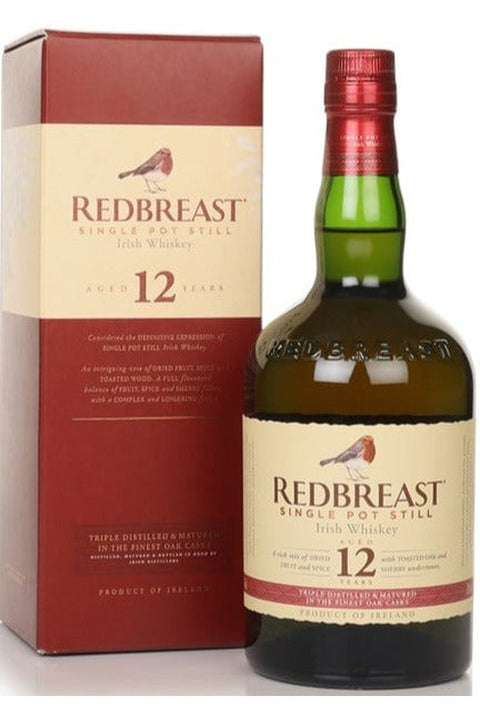
Redbreast Irish Whiskey 12 Year Old
Nutty, rich and oily. There are notes of dried peels, ginger, linseed and cut fruits including a touch of melon.
£74.95
Ireland | Single Malt | 40%
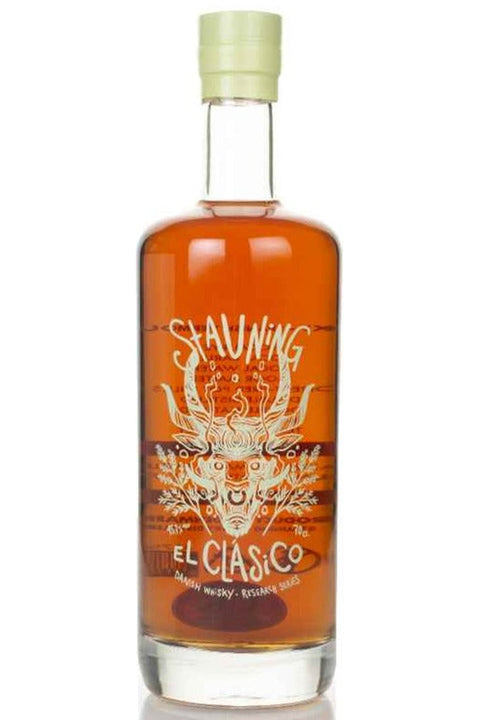
Stauning El Clasico Whisky
A warm-blooded whisky with a deep, amber colour and a sweet aftertaste with a touch of bitter botanicals.
£61.95
£71.95
West Coast, Denmark | Single Malt | 45.7%
Save £10.00

Black Bottle Blended Scotch Whisky
A balanced mix of fruitiness and spice alongside the peaty Islay notes that the brand has been known for.
£32.95
Islay, Scotland | Blended | 40%

Tullibardine 15 Yr Old
On the nose, Barley sugar with apple crumble and custard. Lots of honeyed malt, with creamy porridge and berry jam.
£54.95
Highlands, Scotland | Single Malt | 43%
Sold Out

Balblair 1991 Gordon and MacPhail Private Collection
On the palate, Vanilla and rich malt. Citrus zest, candied peels and cocoa. Liqueur cherries. Marmalade.
£149.95
Highlands, Scotland | Single Malt | 45%
Sold Out

Penderyn NINE
Aromas of ripe red berries, on the nose, raisins and other dried fruits with some delicate vanilla and oak influence.
£55.00
£68.95
Brecon, Wales | 43%
Save £13.95

Mosgaard Organic Single Malt Pedro Ximenez Cask Whisky
Pedro Ximenez Whisky is a complex interpretation of a dark and intense Single Malt Whisky, richly flavoured.
£69.95
Denmark | PX Cask matured | 46%
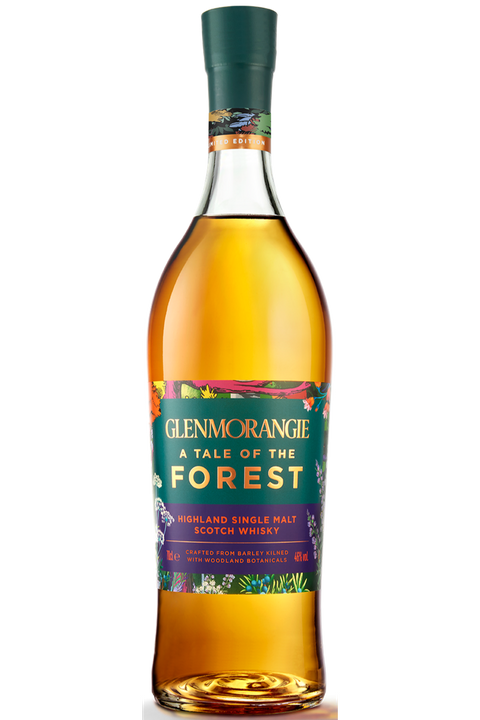
Glenmorangie A Tale of the Forest Highland Single Malt
A Tale of the Forest is Glenmorangie’s first whisky crafted from barley kilned with woodland botanicals.
£69.95
Highlands, Scotland | Single Malt | 46%
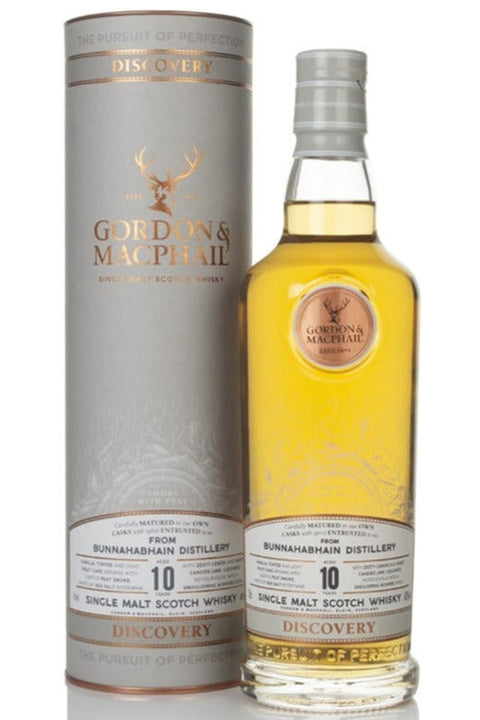
Bunnahabhain 10 Year Old - Discovery Whisky
Ground almond, tinned pear and salted caramel, with an aromatic smoky note running through alongside a hint of vanilla.
£71.95
Islay, Scotland | Single Malt | 43%

Buffalo Trace Bourbon Litre
Spicy and sweet with caramel, creamy toffee eclairs, hints of cinnamon, rum spice and cereal sweetness on the nose.
£34.95
USA | 40%
Jameson Black Barrel Irish Whiskey
Black Barrel has lots of first-fill bourbon and sherry casks in the mix, giving it a much richer flavour than regular Jameson.
£38.95
County Cork, Ireland | Blended | 40%
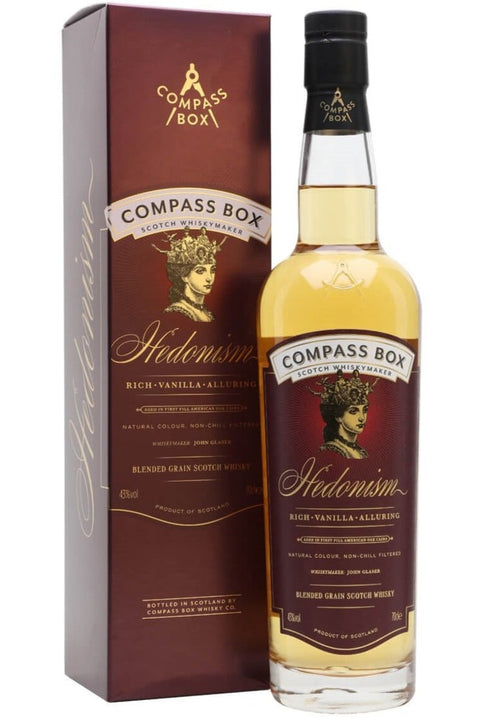
Compass Box Hedonism
Supple and silky, with elegant, rich flavours of vanilla, toffee, coconut and cocoa.
£79.95
Scotland | Blended | 43%
Sold Out

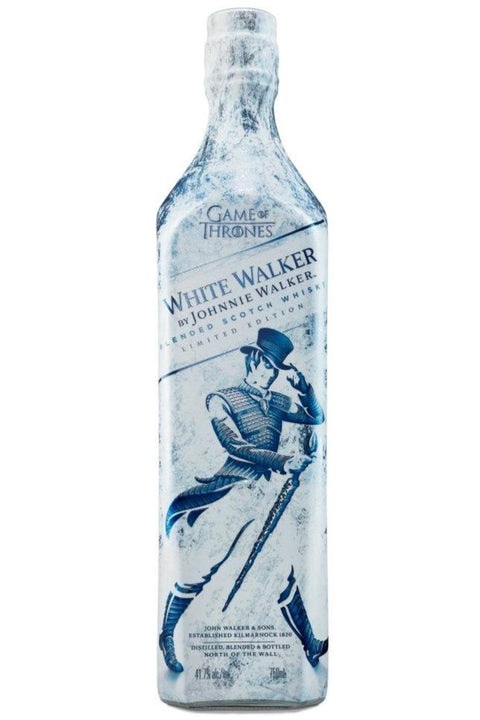
White Walker by Johnnie Walker
A Game of Thrones limited edition whiskey. Notes of caramelised sugar and vanilla, fresh red berries with a touch of orchard fruit
£34.95
Scotland | Blended | 41.7%
Sold Out

Penderyn Single Malt 21-Year-Old Welsh Whisky
A beautifully matured Penderyn that demonstrates the purity and vibrancy of its spirit, even after two decades.
£295.00
£330.00
Brecon, Wales | 59.9%
Save £35.00

Penderyn 12-Year-Old Single Malt Welsh Whisky
12 years of careful ageing bring notes of ripe red berries, soft vanilla, & honeyed malt, with gentle oak adding warmth & balance.
£65.00
£82.00
Brecon, Wales | 46%
Save £17.00
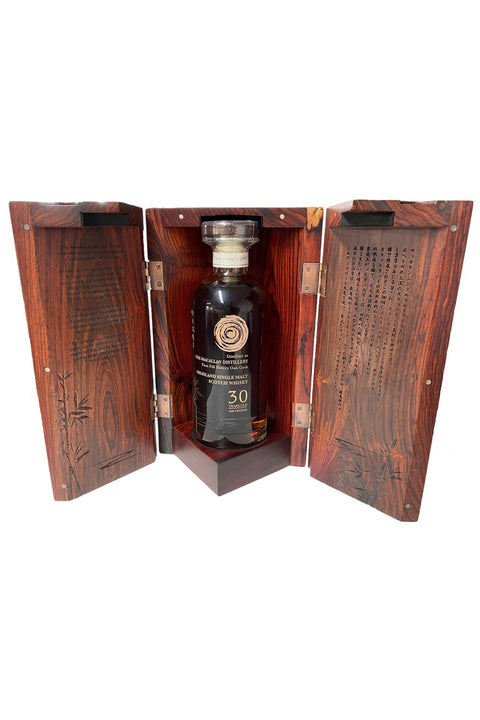
Macallan 30 Year Old Japan Edition Tokyo 2020
The prestigious Japan Series is a collection for the most discerning consumer market in the world.
£12,000.00
Highlands, Scotland | Single Malt | 56.1%
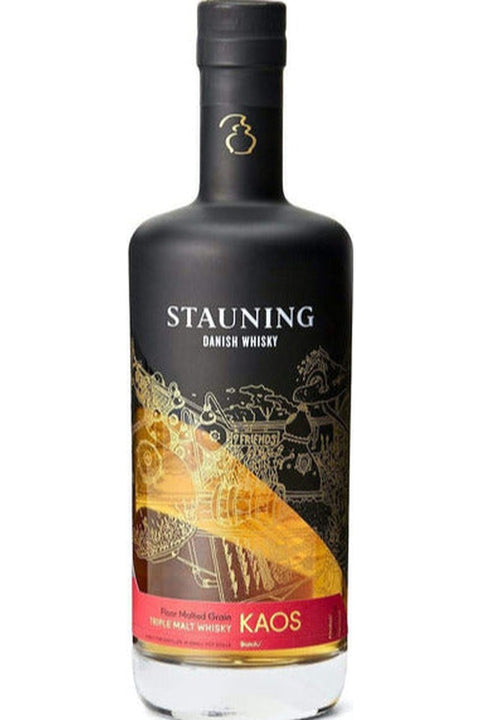
Stauning KAOS triple Malt Whisky
Everything Stauning does, in one bottle. A bit of smoke, a bit of spice, and a lot of complexity in a versatile Nordic whisky.
£72.95
West Coast, Denmark | Single Malt | 46%
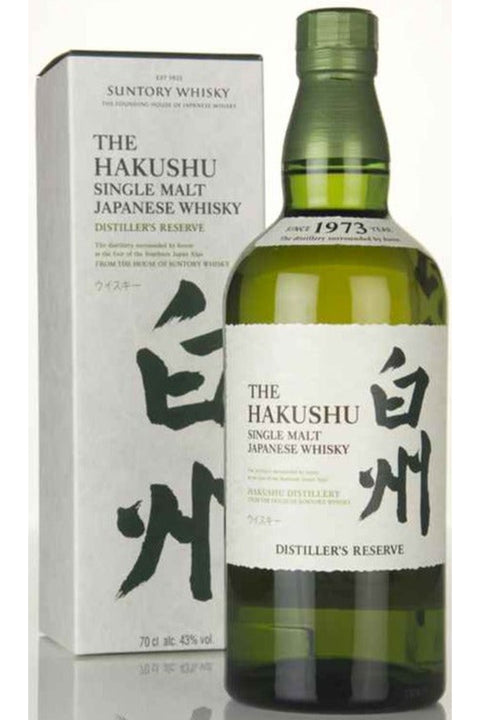
Hakushu Single Malt Distillers Reserve Whisky
From the Hakushu distillery in the foothills of Mount Kaikomagatake, display smoky, herbaceous characteristics of their whiskies.
£74.95
Japan | Single Malt | 43%
Sold Out
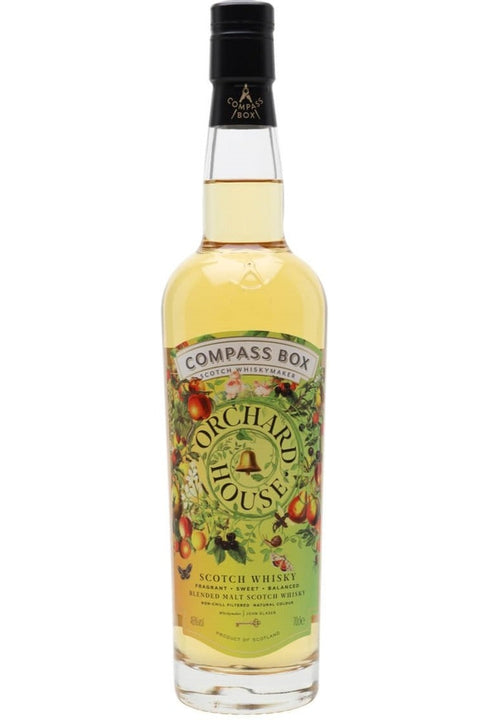
Compass Box Orchard House
A fruity blended malt whisky from Compass Box, made with a combination of some of the fruitiest malts that Scotland has to offer.
£59.95
£69.95
Scotland | Blended | 46%
Save £10.00
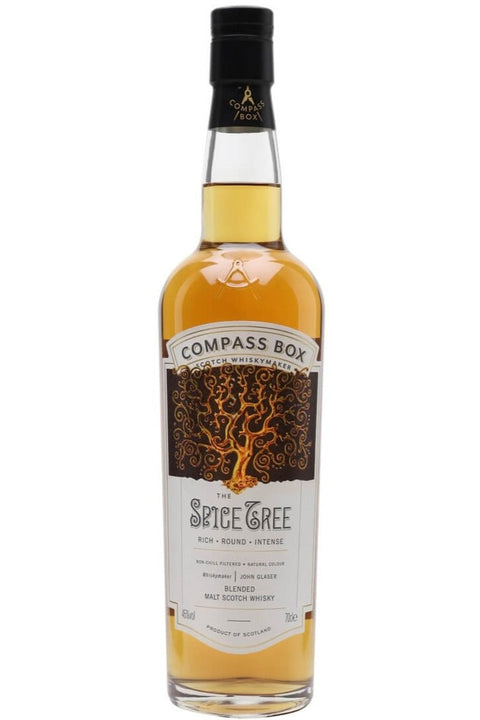
Compass Box Spice Tree
Finished in custom-made new French oak casks, which impart deep spice-like flavours such as, clove, ginger and fruity maltiness.
£59.95
£69.95
Scotland | Blended | 46%
Save £10.00

Glengoyne 18yr Old Single Malt Whisky
Round and rich. At first macerated fruits, marzipan and walnuts; then warm spices, dry cocoa and lingering Seville marmalade.
£109.95
Highlands, Scotland | Single Malt | 43%
Sold Out

Suntory Yamazaki 12 Year Old Single Malt Whisky
The spiced wood arrives first then dried cranberries with a lasting muddle of orange marmalade and honey sweetness.
£175.00
Japan | Single Malt | 43%
Sold Out
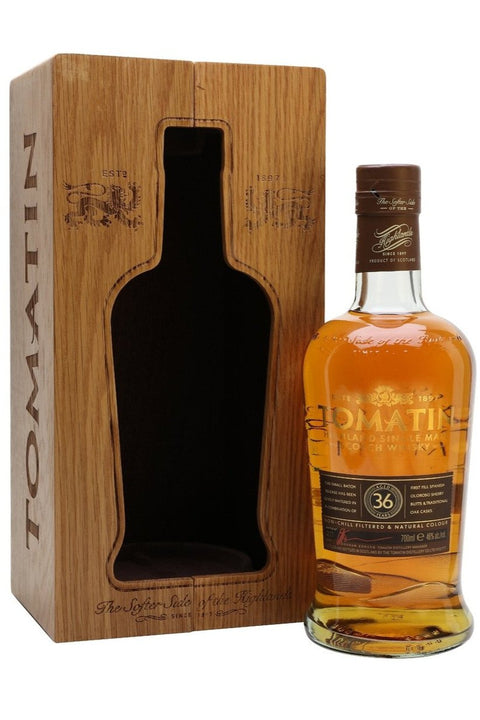
Tomatin 36 Year Old
Intense aromas of dried fruits, chocolate and spice along with rich toffee and caramel flavours.
£1,195.00
Highlands, Scotland | Single Malt | 46%
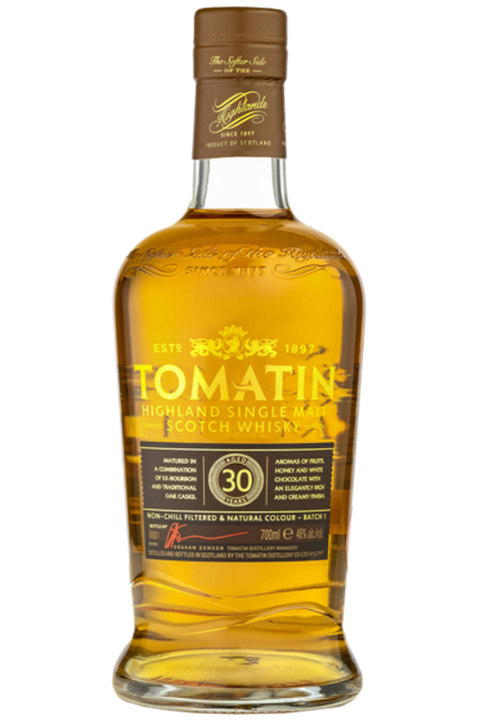
Tomatin 30 Year Old
Aromas of soft fruits, honey and white chocolate. On the palate, a fusion of tropical fruits and creamy buttered vanilla.
£595.00
Highlands, Scotland | Single Malt | 46%
Whisky
Cheers to Your Wine Journey!